A magazine article on private timberland in BC triggers the reminder that social license to operate is an asset in and of itself
Part of my homesickness remedy is my subscription to British Columbia Magazine — essentially a tourism publication showcasing B.C.’s splendour. Living overseas, we always receive it late, and this week the winter edition finally arrived.
I quickly flipped to a story that caught my attention: Open the Gates. Like many publications of this type, the article used romantic language to tell the history of private timberland in British Columbia. But reading it, I found myself frustrated — not necessarily by the article itself, but by the context missing from it.
The piece criticized private forest landowners for restricting public access through gated forest roads, framing the issue as a conflict between industry and recreation. Most readers will not understand the operational realities behind those gates, nor that public access restrictions also exist on Crown land in B.C. The nuance was largely absent.
Why Social License to Operate Matters
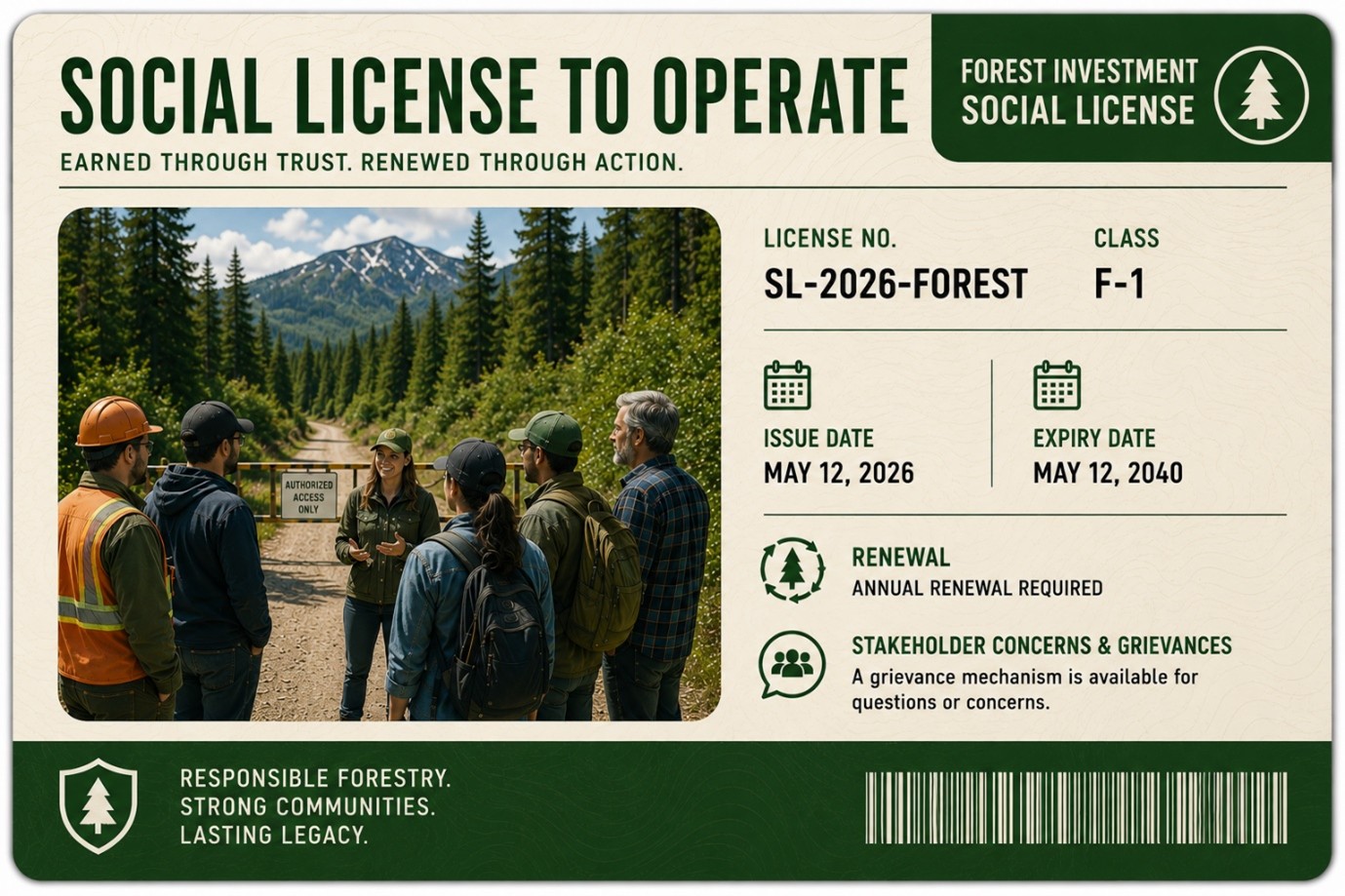
From my perspective, this is a classic example of why social license to operate matters so much in forestry and natural capital investment. Social license is an asset in and of itself – and it should be treated as such.
Coincidentally, the same week I read the article, I was attending the CIFB conference in Frankfurt, where one panel discussion reinforced this exact point: social license is everything. Once lost, it can be extremely difficult — sometimes impossible — to regain.
Operational challenges can often be corrected. Poor survival rates after planting, inaccurate growth forecasts, even wildfire events can usually be managed over time and at a cost. But losing the trust of local communities and stakeholders can stop an operation entirely.
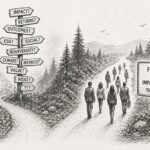
Whether operating on public or private land, a gate is still a gate — literally or figuratively.
Social license is also generational. As a new landowner or manager, you inherit the reputation of those who came before you. In forest investment, this means social considerations should begin long before acquisition and continue throughout the life of the asset. Investors should assess existing social dynamics during due diligence and think carefully about the legacy they leave for future owners.
Too often, social license is treated as a box-ticking exercise connected to certification processes. In reality, by the time certification begins, it may already be too late.
Common examples include:
- Legacy issues – You’ve bought an asset with legacy social challenges that you underestimated during your due diligence process,
2. Late consultation – Moving quickly on operational improvements without first engaging stakeholders, only to discover resistance later in the process.
Safeguard your Social License
Meaningful consideration of social license requires systems and discipline throughout the investment lifecycle.
During the investment process, this means evaluating legacy social risks, identifying potential future conflict, and understanding where proactive engagement can reduce risk while creating mutual benefit. In this article, I discuss what strategic stakeholder engagement looks like. This should form part of a broader Environmental and Social Management System (ESMS).
In ongoing management, it means consistently following that system through stakeholder analysis, ongoing engagement, and grievance mechanisms that allow concerns to be raised and addressed transparently.
At exit, it means maintaining clear documentation and transparency around stakeholder engagement. A damaged reputation with local stakeholders does not simply reduce asset value — depending on severity, it can prevent a transaction altogether.
Social Licence in Your New Strategy
If you are developing a new forest investment strategy or originating projects and want to ensure you are thoroughly considering social license to operate, let’s have a conversation. The level of rigor required will depend on your context, but the important thing is to begin thinking about it early.
Did you like this article? Sign up now for the ForestLink’s newsletter, where you’ll receive technical advice, reflections, and best-practice guidance to support you with your forest-linked investment strategy or business straight to your inbox.